Erik Beck · 20 October 2026
Welsh Traditions Shape Contemporary Festival Programming and Talent Initiatives
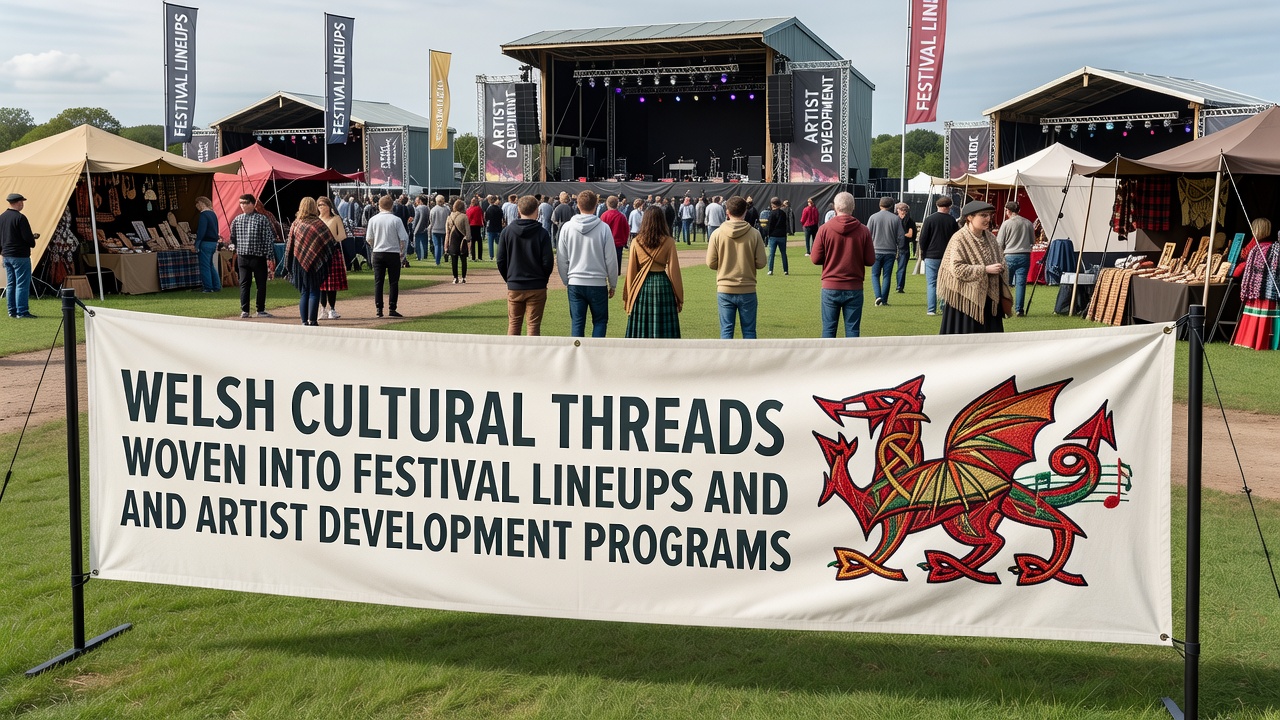
Welsh cultural elements continue to appear in festival lineups across the UK and beyond while artist development programs incorporate language, folklore, and musical forms from the region into training modules and performance opportunities. Data from arts funding bodies shows steady growth in events that feature harpists alongside electronic acts or bilingual workshops that blend poetry recitation with contemporary songwriting.
Festivals such as Green Man in the Brecon Beacons and the Eisteddfod fringe events schedule acts that draw directly on Welsh-language lyrics and instrumentation, and observers note that these choices attract diverse audiences without diluting commercial appeal. Research indicates that participation rates in Welsh-language music segments rose between 2023 and 2025 according to figures released by the Welsh Government.
Integration of Heritage Elements in Lineups
Programmers at major events now consult cultural archives when selecting performers, and this approach leads to sets that combine traditional tunes with modern production techniques. One festival in 2025 featured a main-stage collaboration between a Cardiff-based producer and a folk ensemble from Gwynedd, resulting in a performance that highlighted both electronic beats and the crwth, an ancient stringed instrument. Such pairings reflect documented patterns tracked by industry reports rather than isolated experiments.
Venues in north Wales report increased bookings for artists who incorporate the Welsh language into sets, and data collected by regional tourism boards links these bookings to higher visitor numbers during shoulder seasons. Organizers achieve this balance by pairing headline acts with support slots that emphasize regional heritage, creating schedules that flow from high-energy global pop to intimate sessions rooted in local ballad traditions.
Artist Development Programs and Cultural Training
Development schemes run by arts organizations provide mentorship that covers both technical skills and cultural context, and participants learn to adapt traditional melodies for festival environments. These programs often include modules on language preservation alongside recording techniques, ensuring emerging musicians maintain authentic expression while meeting industry standards for production quality. Statistics from the Arts Council of Wales reveal that over 200 artists received support through such initiatives in the most recent funding cycle.
Case examples include a Swansea-based songwriter who completed a six-month residency that paired her with a mentor specializing in medieval Welsh verse forms, after which she released material that charted on independent playlists. Another program pairs participants with international collaborators, and one cohort traveled to a Canadian music conference to present work that fused Welsh folk motifs with indigenous storytelling methods.
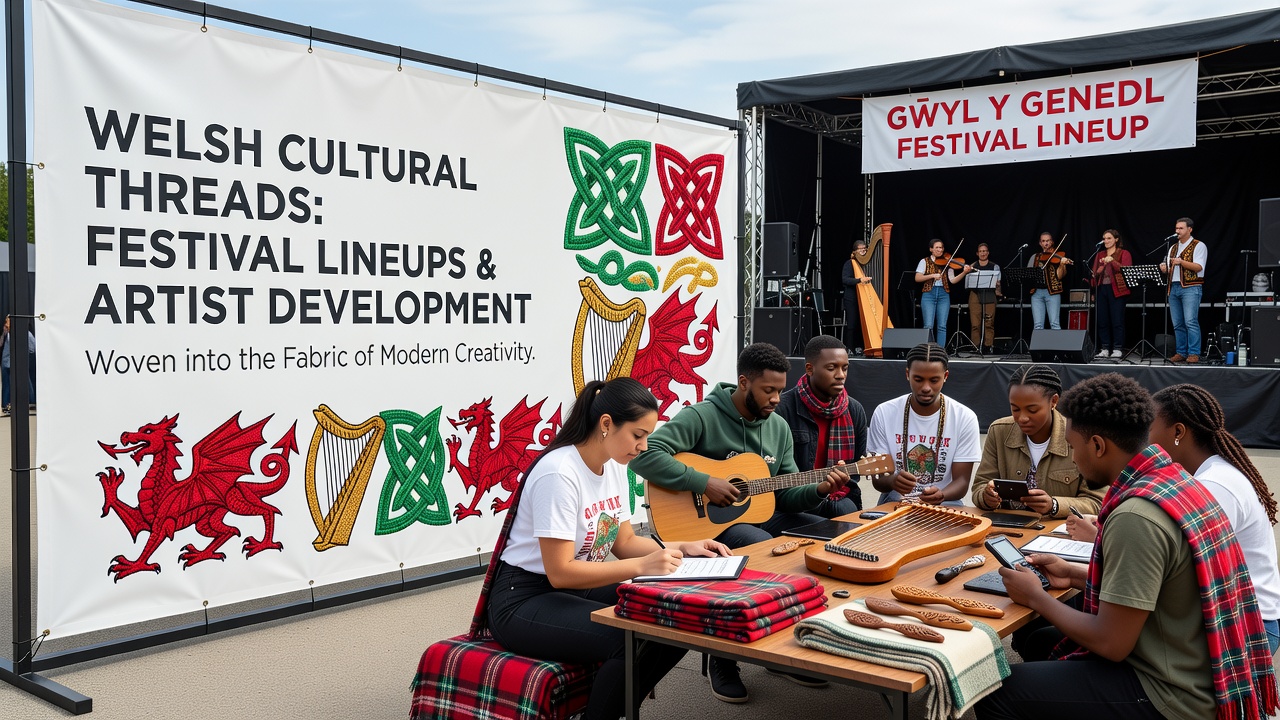
Training sessions frequently occur at historic sites such as castles and chapels, and this setting reinforces connections between past and present creative practices. Participants report structured feedback sessions that focus on how to translate cultural references for wider audiences while retaining original meaning, and follow-up data shows sustained career progression for many graduates.
Events Scheduled for October 2026
October 2026 features several festivals that have already confirmed Welsh cultural programming, including a multi-venue event in Cardiff that will dedicate an entire stage to bilingual performances and a series of workshops on traditional instrument restoration. Advance listings indicate that these events will run alongside artist development showcases where new acts preview material developed through funded residencies.
Coordinators have secured partnerships with European cultural networks, and this collaboration expands opportunities for Welsh artists to tour while exchanging techniques with counterparts from other regions. Planning documents released by event organizers list specific performance slots for harp ensembles and spoken-word pieces drawn from the Mabinogion, the medieval Welsh prose collection.
Measurement of Impact and Future Patterns
Evaluation frameworks used by funding bodies track attendance figures, streaming data, and language retention metrics, and early results point to measurable increases in Welsh-language content consumption following festival appearances. Industry analysts compare these outcomes with similar efforts in other Celtic regions, noting parallel growth patterns without claiming superiority for any single approach.
Additional programs scheduled through 2027 aim to expand digital archiving of performances, allowing wider access to material that blends heritage with current production values. These archives serve as resources for future artists and researchers alike, and initial uploads have already attracted international academic interest.
Conclusion
Welsh cultural threads continue to integrate into festival structures and artist pathways through deliberate programming choices and structured support mechanisms, and available data supports ongoing expansion of these efforts into 2026 and beyond. Observers continue to monitor how these integrations affect both audience reach and creative output across the sector.