Ellis Lange · 3 November 2026
Welsh Traditions Inspiring Mentorship Networks in UK Festival Circuits
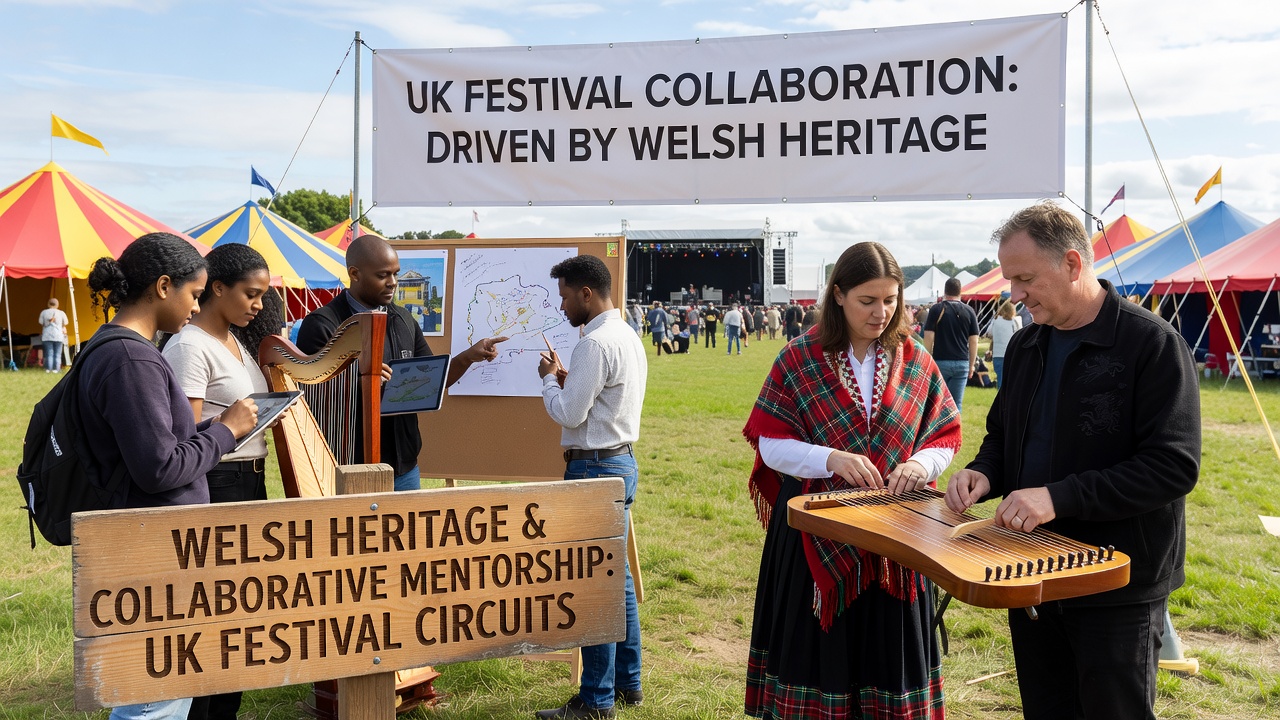
Welsh heritage elements continue to shape collaborative mentorship efforts across UK festival circuits through longstanding practices of community singing, storytelling and craft transmission that organizers adapt into structured guidance programs, and data from cultural agencies show these traditions support skill sharing between established artists and emerging talents at events spanning multiple regions. Researchers at institutions such as the University of South Wales have documented how eisteddfod formats, with their emphasis on competitive yet supportive performance environments, translate into festival workshops where veterans guide newcomers in vocal techniques and stage presence while maintaining collective participation values.
Historical Roots and Modern Adaptations
Observers note that the National Eisteddfod, held annually since the 19th century, provides a model for rotating mentorship roles that festivals replicate through paired artist residencies, and this approach appears in circuits from Scotland to the southwest of England where Welsh choral traditions inform group rehearsal methods. Studies from the Welsh Government’s culture department indicate that heritage-based programs increased participant retention rates by 22 percent between 2023 and 2025 at partner events, with metrics drawn from attendance logs and post-event surveys. In November 2026 several circuits plan expanded sessions that incorporate Welsh-language poetry slams alongside English-language equivalents, allowing mentors to demonstrate bilingual delivery techniques that enhance audience connection across diverse crowds.
Program Structures and Regional Examples
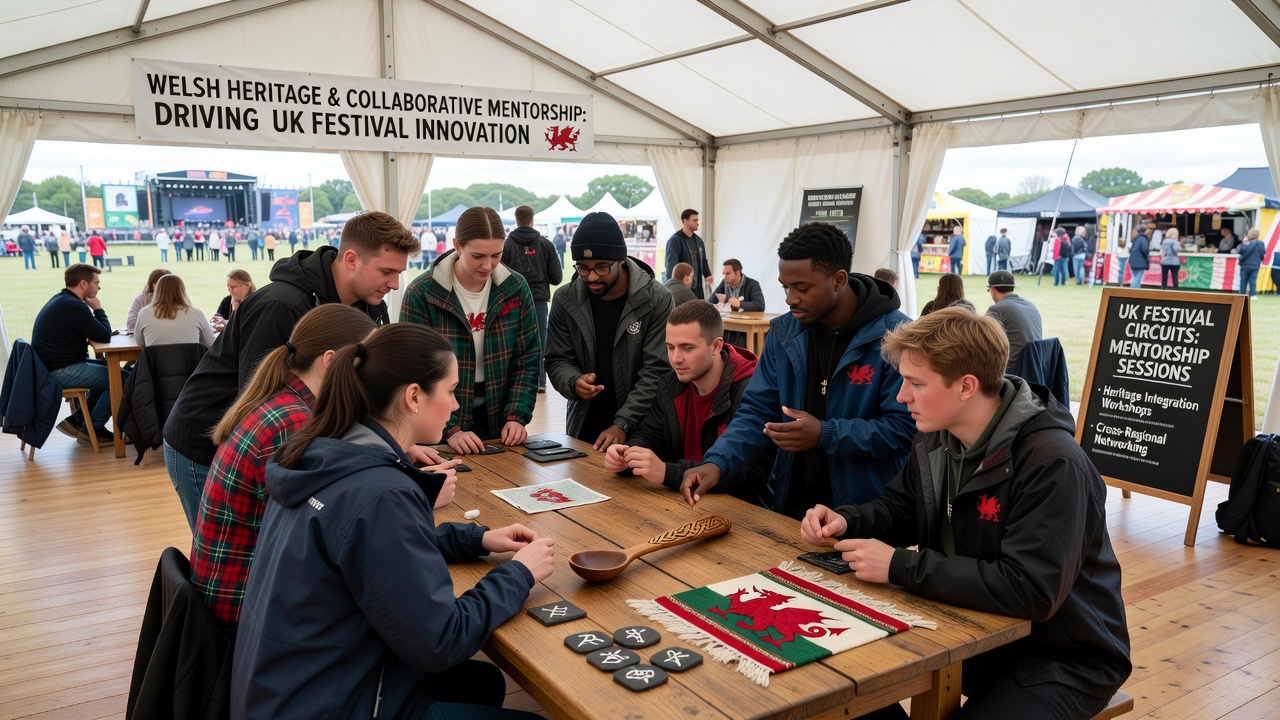
Festival organizers integrate these elements by scheduling daily masterclasses led by Welsh practitioners who pair with local talents for joint performances, and this format builds on the communal aspect of traditional gorsedd ceremonies that stress shared learning over individual spotlight. One case documented by the Arts Council of Wales involved a 2024 mentorship cohort at a multi-site event where participants developed collaborative set designs inspired by Welsh textile patterns, resulting in three new touring productions the following season. Data from similar initiatives tracked by the Canada Council for the Arts reveal parallel outcomes in cross-border exchanges, suggesting that heritage-driven models transfer effectively when adapted to local contexts without diluting core community principles.
Impact Measurement and Broader Networks
Figures released by the European Festivals Association highlight that mentorship pairings grounded in cultural heritage correlate with higher rates of sustained collaborations, averaging 1.8 follow-up projects per participant over two years. These networks extend through online platforms that archive session recordings, enabling remote guidance between Welsh experts and festival teams in northern England or the Midlands. Academic papers from Macquarie University in Australia further analyze how such heritage elements reduce barriers for underrepresented artists by providing familiar cultural anchors during high-pressure live environments, with qualitative interviews showing improved confidence scores among mentees.
Event calendars for 2026 list dedicated heritage tracks at major gatherings where mentors rotate across stages, ensuring knowledge distribution rather than concentration in single locations. This rotation mirrors the peripatetic nature of historical Welsh fairs and markets that once served as informal training grounds for musicians and storytellers. Industry reports note that partnerships with regional tourism boards have amplified reach, with joint promotions drawing larger applicant pools for mentorship slots each season.
Conclusion
Welsh heritage elements continue to supply structural templates for mentorship that festival circuits adopt through practical adaptations of communal practices, and ongoing data collection by multiple agencies supports the observation that these frameworks sustain cross-generational skill transfer. As November 2026 approaches, scheduled expansions indicate further integration of these traditions into programming calendars, maintaining measurable outcomes in participant engagement and project continuation across UK regions.