Iris Baumann · 6 October 2026
Connecting Philanthropic Programs with Rising Artists via Live Events and Guidance Initiatives
Organizations across multiple regions have established frameworks that link nonprofit campaigns directly to performance opportunities for new musicians and other creatives, and these arrangements rely on structured events plus ongoing guidance systems to deliver measurable results for both sides. Data from the National Endowment for the Arts shows participation rates in such combined programs rose steadily between 2022 and 2025, while similar patterns appear in reports issued by the Canada Council for the Arts and the Australia Council for the Arts. Festival organizers coordinate with charities to schedule sets that highlight specific causes, and at the same time they pair less experienced acts with established mentors who provide rehearsal support, industry navigation, and post-event feedback sessions.
Structure of Festival-Based Collaborations
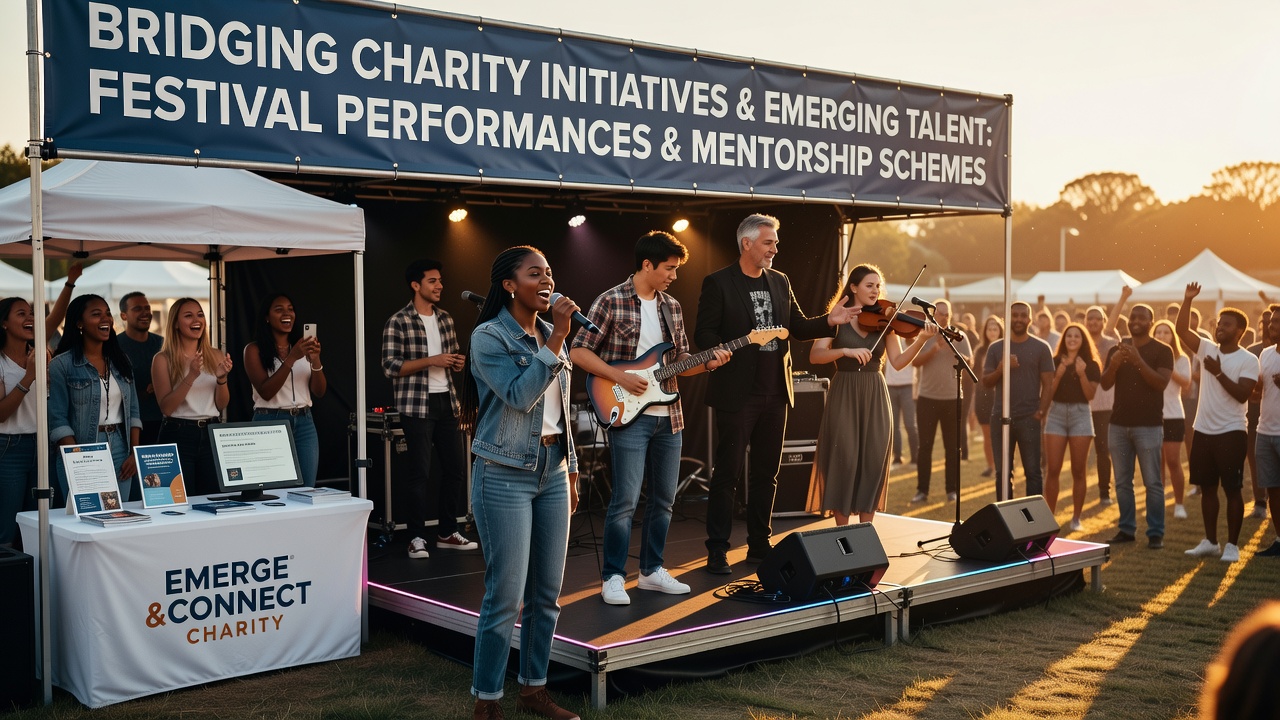
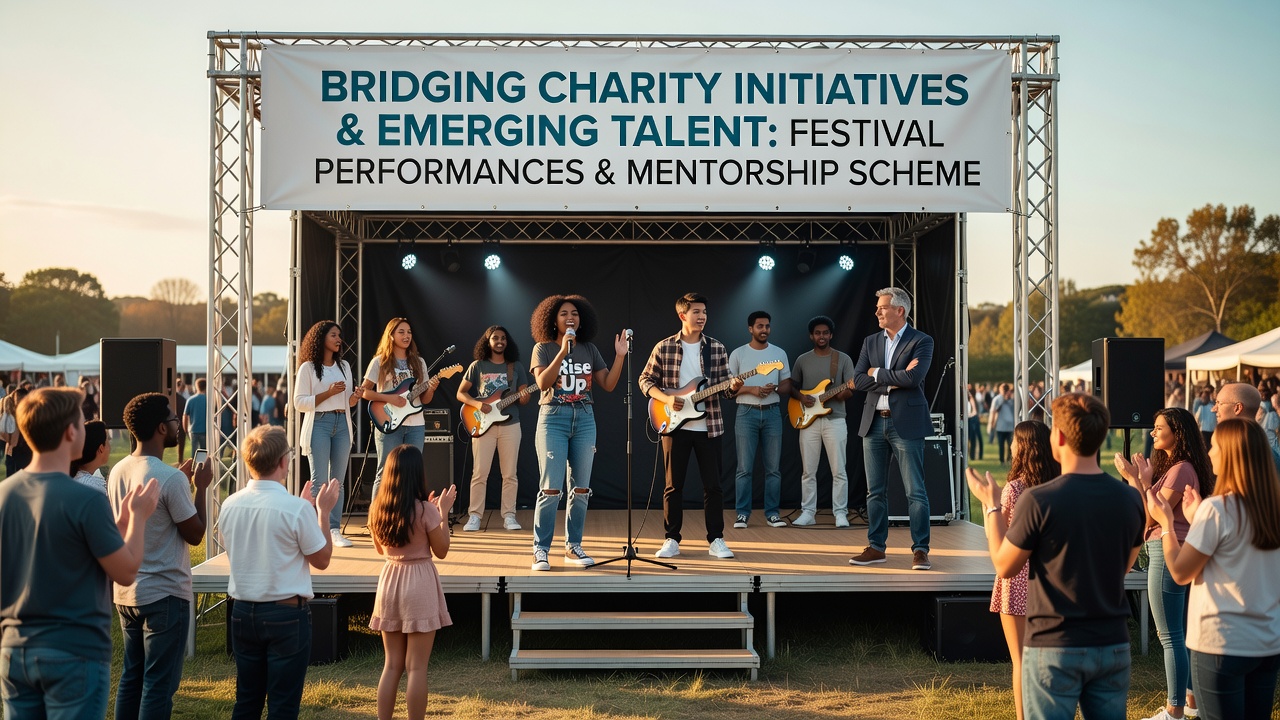
Events scheduled for October 2026 already list multiple stages where charity initiatives receive dedicated performance slots that run alongside mentorship workshops held in adjacent tents or community halls. Program directors match emerging vocalists and instrumentalists with professionals who have navigated similar career paths, and these pairings extend beyond single shows to include virtual check-ins that continue for several months afterward. Attendance figures from comparable events in 2024 indicated that over 60 percent of participating new artists secured follow-up bookings or recording opportunities within the next calendar year, according to aggregated data released by regional arts bodies. The model incorporates clear metrics such as funds raised per performance slot and audience engagement scores tracked through ticket scans and social media mentions.
Mentorship Schemes and Their Integration
Guidance programs operate on a tiered schedule that begins with application reviews conducted by panels drawn from both charity staff and festival production teams, then moves into pre-event skill sessions focused on stage presence, set curation, and audience communication techniques. Participants receive documented feedback forms after each rehearsal and live appearance, which helps them refine approaches before the next opportunity arises. One documented case involved a regional folk ensemble that joined a coastal festival series in partnership with an environmental nonprofit; after completing the mentorship cycle they released a recording that directed a portion of proceeds toward habitat restoration projects tracked through public financial statements. Such outcomes align with findings from university-linked studies that examine how sustained artist-nonprofit relationships affect long-term career trajectories and charitable revenue streams.
Geographic Variations and Data Trends
European festivals have adapted the same core concept by incorporating regional regulatory requirements around public funding allocation, whereas North American counterparts often emphasize private sponsorship matching that ties directly to ticket sales percentages. Reports compiled by the Australia Council for the Arts highlight that mentorship participants from rural areas show higher retention rates when events include travel stipends and accommodation support bundled into the program package. Figures reveal that combined charity-performance initiatives generated an estimated 12 million in equivalent media value during the 2025 season across tracked festivals, with breakdowns available through open data portals maintained by participating arts agencies. These numbers reflect ticket revenue shares, streaming spikes after events, and subsequent grant applications that reference the festival appearances as professional development milestones.
Operational Logistics and Participant Selection
Selection processes use standardized rubrics that weigh artistic merit alongside alignment with chosen charitable themes, and shortlisted applicants attend orientation webinars that outline expectations around conduct, content restrictions, and post-festival reporting obligations. Production teams manage stage time allocations so that charity-focused segments receive prime slots without displacing established headliners, which maintains audience draw while still providing visibility for newer acts. Technical crews supply identical sound and lighting packages to all performers regardless of experience level, and this parity helps reduce variables that might otherwise affect perceived quality. Observers note that the presence of mentorship staff on-site allows real-time adjustments to set lists when audience responses indicate stronger connection to specific charitable messaging.
Conclusion
Current planning documents indicate continued expansion of these integrated models into 2026 and beyond, with additional festivals announcing partnerships that will place emerging talent alongside established charity campaigns through coordinated performances and extended guidance frameworks. The approach draws on existing infrastructure at multi-day events while adding layers of structured support that address both immediate fundraising goals and longer-term artistic development pathways, as evidenced by participation statistics and outcome reports issued by national arts organizations in several countries.