Iris Baumann · 8 September 2026
Behind Festival Stages: How Charity Work and Vocal Developments Shape Welsh Tour Experiences
Welsh music tours often revolve around festivals that combine live performances with community initiatives, and charity work plays a documented role in shaping schedules and artist involvement across regions like Cardiff, Swansea, and the Brecon Beacons. Organizers coordinate events that raise funds for local causes, wth data from the Welsh Government showing arts-linked philanthropy contributing to community programs in recent years. These efforts include benefit concerts and artist-led workshops that extend tour timelines while directing proceeds toward education and health projects in Wales.
Charity Integration in Festival Planning
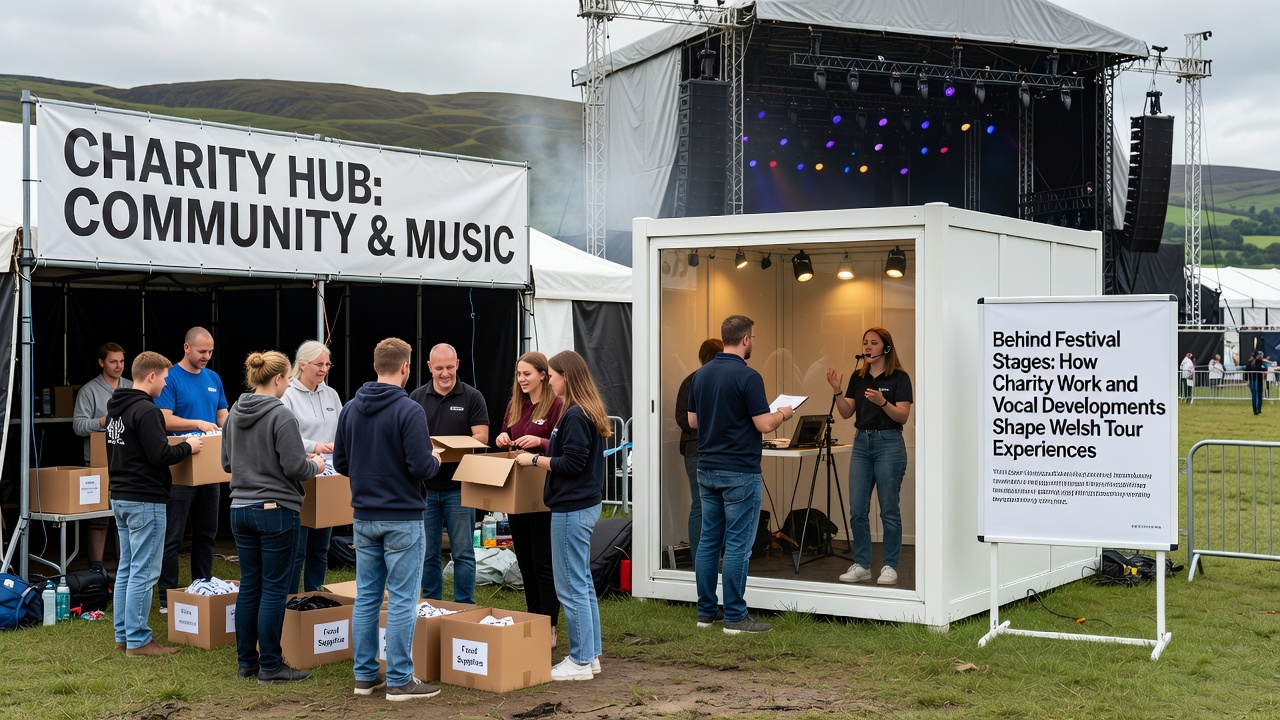
Performers participating in Welsh tours frequently align their appearances with charitable campaigns, and reports indicate this approach builds audience engagement through shared causes rather than isolated shows. For instance, multiple festivals schedule slots where musicians conduct fundraising sessions alongside main sets, creating extended experiences that blend entertainment with direct support for Welsh heritage preservation groups. Observers note that such pairings allow tours to incorporate stops in smaller venues, where charity components draw in local participants who might otherwise skip standard concerts.
Evidence from industry analyses reveals that these integrations affect logistics, since charity events require additional coordination for permits, volunteer staffing, and revenue allocation. Tours in 2025 demonstrated this pattern through partnerships with regional nonprofits, and similar structures appear planned for September 2026 events that will feature expanded outreach in northern Wales. Data shows increased ticket bundles that include optional donations, which help sustain both the performances and the associated causes without altering core programming.
Vocal Training and Performance Demands
Vocal developments influence how artists prepare for the rigors of Welsh festival circuits, where stages range from intimate acoustic settings to large outdoor arenas exposed to variable weather. Research from the Royal College of Music indicates structured vocal conditioning programs help performers maintain consistency across multiple dates, and these methods include daily warm-up routines plus monitoring techniques that track vocal fold health during extended runs. Singers on Welsh tours report using specialized exercises drawn from classical and contemporary traditions to handle the mix of Welsh-language material and English sets common at events like the National Eisteddfod.
Acoustic adjustments form another layer, as festival sound engineers adapt amplification based on venue acoustics, and studies from Cardiff University highlight how proper vocal projection training reduces strain when performers move between indoor halls and hillside stages. This preparation becomes relevant for September 2026 tours, where schedules list additional dates that test endurance through consecutive nights. Those involved in production note that vocal health protocols now include on-site physiotherapists who focus on posture and breathing, supporting longer performance blocks without interruption.
Combined Effects on Tour Structure
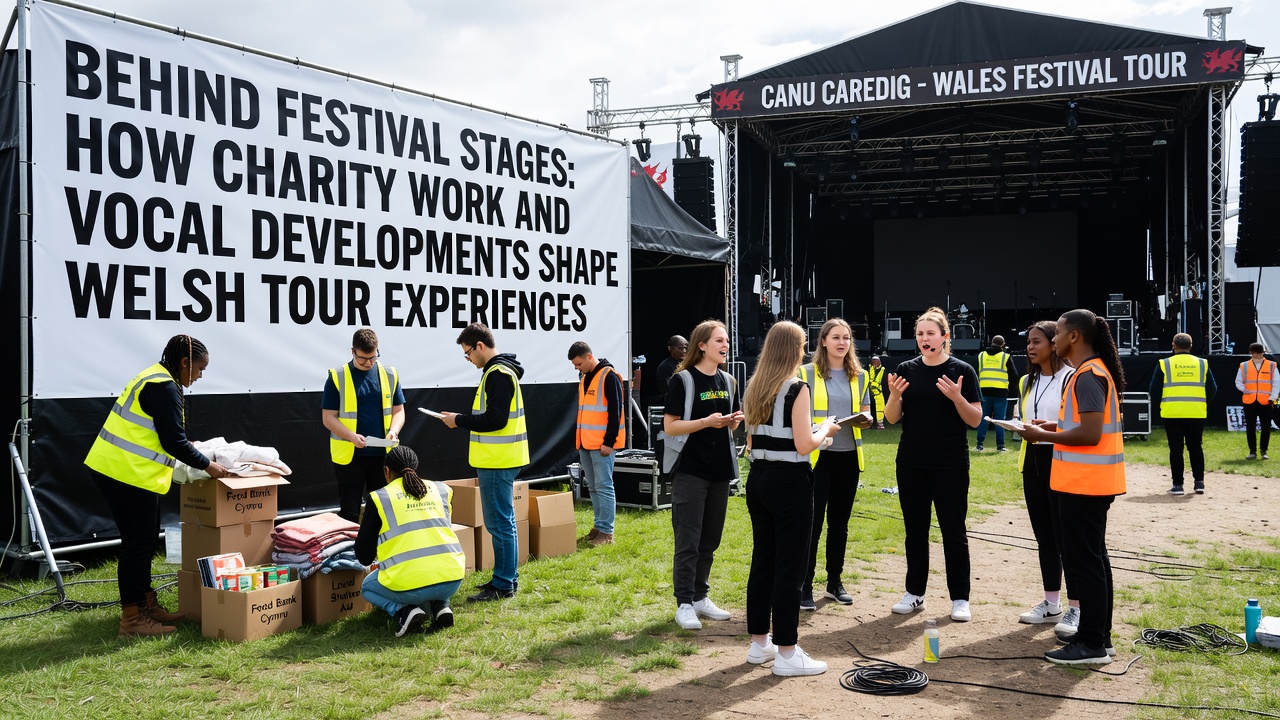
Charity commitments and vocal advancements intersect when artists incorporate educational components into their schedules, such as masterclasses that teach breathing techniques while raising funds for youth music programs. Figures from Arts Council England and comparable Welsh bodies indicate these hybrid sessions extend tour footprints by adding daytime activities that complement evening concerts. Performers who adopt updated vocal methods find they can sustain higher output across charity-linked dates, allowing Welsh tours to cover more ground within single seasons.
Logistical data further shows that venues hosting both performance and outreach elements adjust staffing and equipment accordingly, which streamlines operations for repeated visits. External reports from the European Music Council outline similar patterns across comparable European circuits, where integrated approaches yield measurable increases in repeat attendance and community partnerships. For the upcoming cycle leading into September 2026, planners reference these models to balance vocal recovery periods with charity event demands.
Regional Examples and Patterns
One case from the 2024 season involved a multi-week Welsh tour that embedded charity auctions between festival headline slots, and attendance records indicate steady growth in participation from both locals and visitors. Vocal development workshops run parallel to these events helped emerging artists prepare for main-stage appearances, creating a pipeline effect documented in post-tour evaluations. Observers from the Welsh music sector point out that such layering reduces downtime and keeps momentum across geographically spread dates.
Another instance centers on coastal festivals where weather contingencies intersect with vocal care routines, requiring quick adaptations that charity timelines accommodate through flexible rescheduling. Research compiled by the University of Melbourne on performer wellness supports the value of these combined strategies, noting measurable benefits in sustained vocal quality over multi-week engagements. Welsh tours continue to reference these findings when mapping routes that include both high-profile stages and smaller charity-focused gatherings.
Conclusion
Welsh tour experiences continue to evolve through the documented interplay of charity initiatives and vocal advancements, with planning data pointing to structured expansions by September 2026. These elements shape everything from daily schedules to artist preparation protocols, delivering measurable community returns alongside consistent performance standards. External analyses from bodies like the Australian Council for the Arts and the European Music Council provide additional context for these practices across international festivals.